
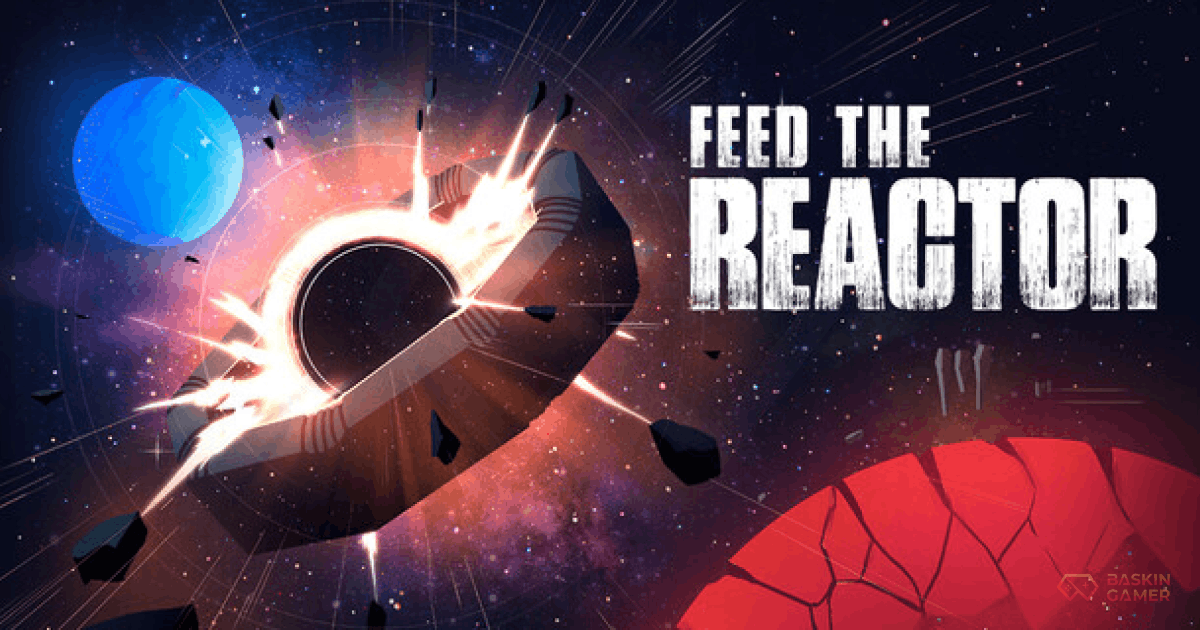
Feed the Reactor has officially launched, offering a different take on the incremental game genre. Instead of focusing on idle accumulation alone, the game places players inside a reactor where every decision affects stability, efficiency, and long-term output.
At its core, Feed the Reactor is about balance. Players manage fuel types, control elemental flow, and prevent system overloads. Progress feels steady, but never careless. Because of this structure, the game rewards attention rather than pure waiting.
From the first session, it becomes clear that Feed the Reactor aims to engage players who enjoy thinking through systems instead of rushing upgrades.
What Feed the Reactor Is About
Feed the Reactor centers on a single goal. Keep the reactor running efficiently without pushing it into collapse. To achieve that, players must feed the reactor with the right materials at the right time.
Fuel choices matter. Some materials boost output quickly but increase instability. Others provide safety at the cost of slower growth. As a result, progression always involves trade-offs.
Unlike many incremental games, the reactor never feels like a background process. Every adjustment changes how the system behaves. This design keeps players involved even during slower growth phases.
How the Incremental Systems Work
Progression in Feed the Reactor unfolds gradually. Players unlock new elements, modifiers, and control tools over time. Each unlock adds complexity instead of simply increasing numbers.
The incremental loop follows a clear structure:
- Generate energy through fuel input
- Monitor reactor stability
- Unlock upgrades that change system behavior
- Rebalance inputs to maintain efficiency
Because upgrades interact with one another, careless stacking leads to instability. Thoughtful planning, however, creates smooth growth.
This approach encourages experimentation while still punishing reckless decisions.
Strategic Depth Sets It Apart from Idle Games
Feed the Reactor avoids full automation early on. While some systems eventually stabilize, the game expects active management during critical moments.
Sudden spikes in output can destabilize the reactor. Ignoring warning signs often results in resets or efficiency loss. Because of this, players learn to read patterns instead of chasing maximum output blindly.
The game’s pacing supports this philosophy. Progress never feels rushed. Instead, it rewards players who understand how each system interacts.
Visual Design and Interface Clarity
Visually, Feed the Reactor stays clean and functional. The interface presents information clearly without overwhelming the screen. Meters, indicators, and warnings remain easy to read even as systems grow more complex.
Animations focus on clarity rather than spectacle. Reactor activity feels alive without becoming distracting. This choice supports long play sessions, which incremental games often encourage.
Overall, the presentation reinforces the game’s strategic focus.
Who Feed the Reactor Is Best Suited For
Feed the Reactor appeals most to players who enjoy:
- Incremental progression with meaningful choices
- System-driven gameplay
- Long-term optimization
- Strategic risk management
Players expecting pure idle mechanics may find the game demanding. However, those who enjoy planning and adaptation will likely find it rewarding.
The game respects time investment without fully playing itself.
Key Features at a Glance
| Feature | Description |
|---|---|
| Reactor Management | Control fuel flow and system stability |
| Incremental Progression | Unlock upgrades that change mechanics |
| Strategic Decision-Making | Balance output against risk |
| Element Systems | Different materials affect efficiency |
| Long-Term Planning | Growth depends on careful optimization |
Why Feed the Reactor Stands Out After Launch
It succeeds because it understands its niche. It does not chase spectacle or constant rewards. Instead, it builds satisfaction through mastery.
Each session teaches players something new about the system. Over time, those lessons stack. Progress feels earned rather than automatic.
In a genre often dominated by passive play, this focus on engagement feels refreshing.
Final Thoughts
Feed the Reactor offers a measured, thoughtful take on incremental gameplay. Instead of rewarding speed, it rewards understanding. Instead of endless automation, it asks players to stay involved.
For players who enjoy strategic systems and steady progression, this launch delivers something quietly compelling.
What do you think about incremental games that require active planning instead of full automation?
FEED THE REACTOR – Release Date Trailer
Frequently Asked Questions
What kind of game is Feed the Reactor?
Feed the Reactor is a strategic incremental game focused on managing fuel, elements, and reactor stability.
Is Feed the Reactor fully idle?
No. While progression continues over time, active management plays a major role.
Does the game reward long-term planning?
Yes. Efficient growth depends on understanding system interactions.
Is Feed the Reactor suitable for casual play?
It can be enjoyed casually, but it favors players who like thoughtful decision-making.
What makes Feed the Reactor different from other incremental games?
Its emphasis on balance and risk management sets it apart from passive idle titles.
Stay tuned to Baskin Gamer as we bring you the latest updates on game news, releases, and more!