
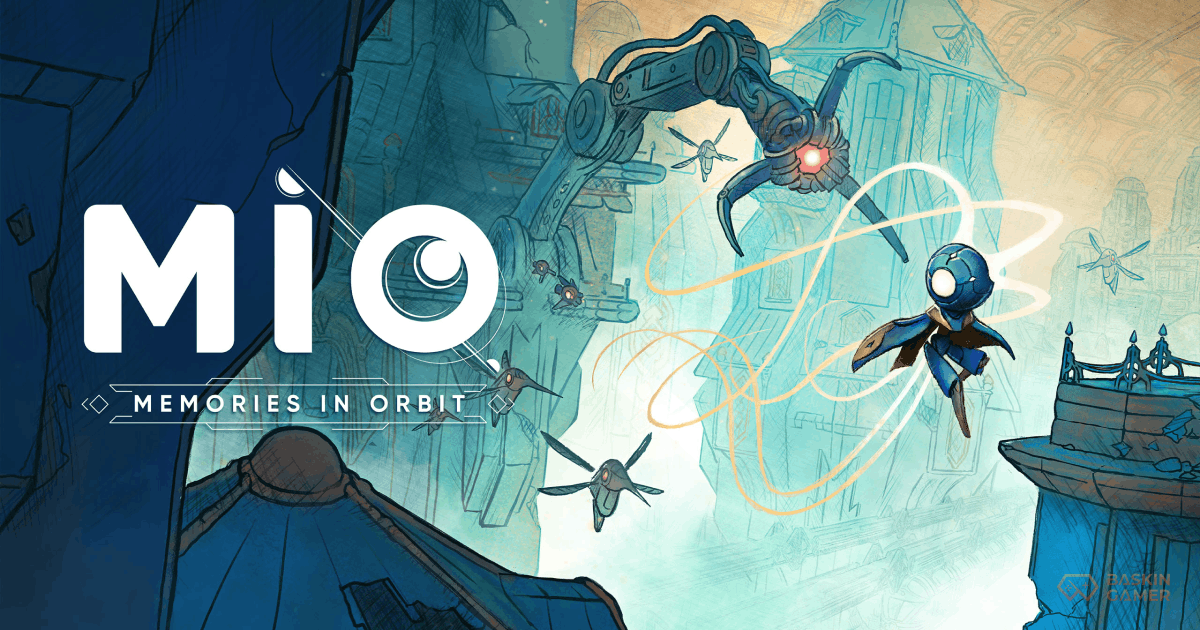
MIO: Memories In Orbit arrives on January 20 across PS5, Xbox Series X|S, Switch 2, and PC, and it already stands out as one of the most visually striking metroidvania releases of the year. Developed by a French indie studio using a proprietary engine, the game blends hand-crafted environments, fluid animation, and emotional sci-fi storytelling into a tightly focused exploration experience.
Rather than relying on familiar fantasy tropes, MIO: Memories In Orbit chooses solitude, decay, and memory as its foundation. As a result, the game feels atmospheric from the very first moments.
A Lonely Journey Aboard the Vessel
At the center of the experience is MIO, a small robot awakening inside the Vessel, a massive spaceship drifting toward collapse. Systems fail. Corridors crumble. Echoes of past life linger in fragments.
The story unfolds without heavy exposition. Instead, environmental details guide the player forward. Broken terminals, abandoned chambers, and corrupted systems reveal what happened to the ship and its former inhabitants.
Because storytelling stays subtle, exploration feels purposeful. Each area answers one question while raising another, keeping curiosity alive throughout the journey.
Metroidvania Design That Respects Exploration
MIO: Memories In Orbit follows classic metroidvania structure. Interconnected areas loop back on themselves, while new abilities unlock previously unreachable paths. However, the game avoids overwhelming the player.
Traversal upgrades feel natural. Movement improves steadily, which keeps backtracking engaging instead of frustrating. As a result, exploration becomes smoother over time.
Combat exists but never dominates the experience. Encounters feel deliberate and measured, reinforcing atmosphere rather than breaking immersion. Every mechanic supports discovery first.
A Proprietary Engine That Elevates Visual Identity
One of the game’s strongest features is its visual presentation. The proprietary engine allows lighting, particle effects, and animation to blend seamlessly.
Metal surfaces reflect fading light. Backgrounds shift subtly as systems fail. Small environmental animations make the Vessel feel alive, even as it decays.
Because the art direction prioritizes cohesion, the ship feels like a single, believable space rather than disconnected levels. This consistency strengthens immersion across the entire playthrough.
Sound Design and Atmosphere
Audio design plays a quiet but powerful role. Mechanical hums, distant echoes, and minimalistic music create a sense of isolation. Silence often lasts longer than sound, which heightens tension naturally.
Rather than pushing constant music, the game uses restraint. When sound does emerge, it carries emotional weight. This approach supports the game’s reflective tone.
Together, audio and visuals create an experience that feels calm, eerie, and melancholic without becoming oppressive.
Gameplay Flow and Difficulty Balance
The gameplay pacing remains steady. Challenges escalate gradually, allowing players to learn mechanics without pressure. Difficulty feels fair rather than punishing.
Boss encounters emphasize pattern recognition over reflex-heavy combat. Victory comes from understanding behavior, not brute force. This design choice keeps frustration low and satisfaction high.
Because checkpoints remain generous, progress feels rewarding even during tougher sections.
Performance Across Platforms
MIO: Memories In Orbit launches simultaneously across modern platforms, and performance remains stable across the board. Load times stay minimal, and frame pacing supports smooth traversal.
On next-generation hardware, lighting effects and animations shine particularly well. However, visual clarity remains strong even on portable platforms, preserving the artistic vision.
The cross-platform release ensures accessibility without sacrificing presentation.
Who Will Enjoy MIO: Memories In Orbit
This game suits players who appreciate:
- Atmospheric metroidvania design
- Exploration-driven storytelling
- Sci-fi settings with emotional undertones
- Visual artistry over constant action
Players seeking fast-paced combat may find the experience restrained. However, those drawn to discovery and mood will feel right at home.
Key Features Overview
| Feature | Details |
|---|---|
| Genre | Metroidvania |
| Setting | Decaying spaceship (Vessel) |
| Focus | Exploration, atmosphere, memory |
| Art Style | Hand-crafted sci-fi environments |
| Platforms | PS5, Xbox Series X |
FAQ
What type of game is MIO: Memories In Orbit?
It is a metroidvania focused on exploration, atmosphere, and gradual ability progression.
Does the game emphasize story or gameplay?
Both elements work together, with environmental storytelling guiding exploration.
How long is the game?
A full playthrough typically spans 10–15 hours, depending on exploration depth.
Is combat the main focus?
No. Combat supports progression but never overshadows exploration.
Is this suitable for new metroidvania players?
Yes. Difficulty and pacing remain approachable throughout.
Final Thoughts
MIO: Memories In Orbit succeeds by trusting its atmosphere. It does not rush the player. Instead, it invites quiet exploration through a world shaped by loss and memory. The proprietary engine enhances every moment, allowing visuals and sound to communicate emotion without words.
For fans of thoughtful metroidvania design, this launch feels significant.
Stay tuned to Baskin Gamer as we bring you the latest updates on game news, releases, and more!