
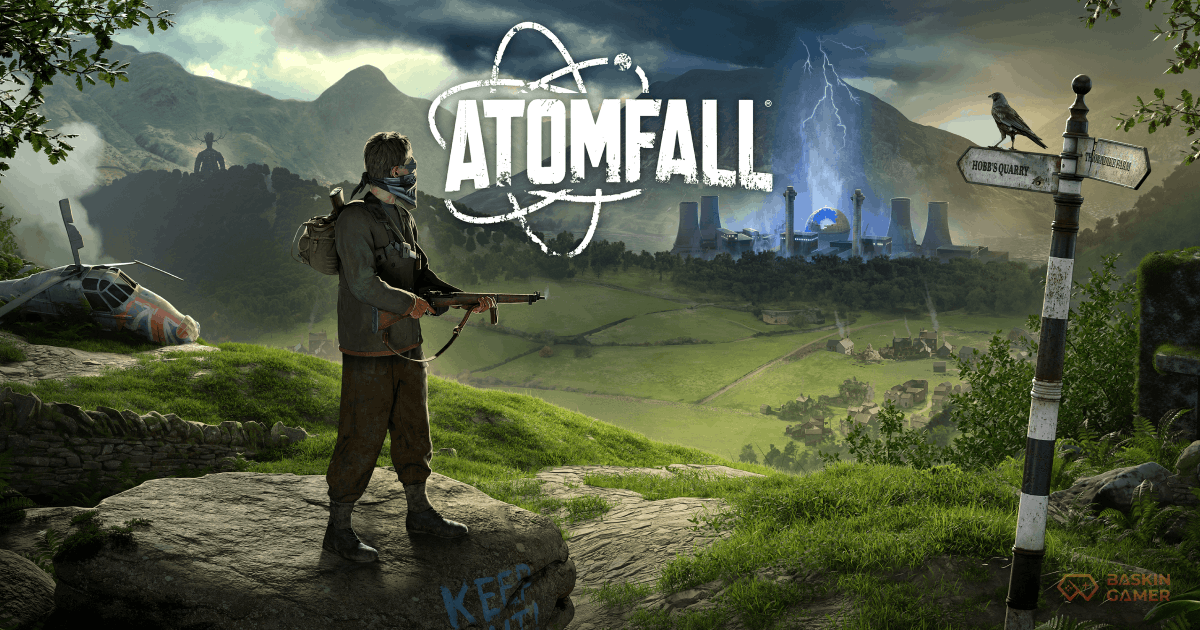
Atomfall is a survival-action game released on March 27, 2025, developed by Rebellion Developments, the studio known for grounded combat and tactical design. Set in an alternate-history version of northern England, Atomfall imagines a catastrophic nuclear incident that reshapes the countryside into a sealed quarantine zone filled with mystery, danger, and moral uncertainty.
Rather than chasing blockbuster spectacle, Atomfall focuses on atmosphere, player choice, and slow-burn tension. It blends first-person combat, survival mechanics, and narrative exploration into an experience that feels personal, unsettling, and distinctly British.
A Post-Nuclear World That Feels Different
Most post-apocalyptic games rely on deserts, ruined cities, or scorched wastelands. Atomfall chooses a different path. Its world is inspired by rural England, featuring rolling hills, abandoned villages, fog-covered forests, and crumbling industrial facilities.
Because of this, exploration feels eerie instead of bombastic. Familiar countryside locations become unsettling once they are stripped of normal life. Radioactive zones, strange cult-like factions, and mutated wildlife add constant tension as players move through the environment.
The setting plays a huge role in storytelling. Environmental details often explain more than dialogue, rewarding players who take time to observe and explore.
Core Gameplay: Survival Comes First
Atomfall is played from a first-person perspective, with survival at the center of every decision.
Combat and Encounters
Combat is deliberate and punishing. Ammunition remains limited, enemies hit hard, and reckless fights often end quickly. Firearms exist, but melee weapons and stealth frequently become safer options.
Instead of encouraging constant combat, the game shines when players plan encounters carefully. Avoiding fights, setting traps, or using the environment often leads to better outcomes than charging in.
Exploration and World Design
The world is divided into connected regions rather than one massive open map. Each area has its own threats, secrets, and story fragments. This design keeps exploration focused while still allowing freedom.
Hidden bunkers, locked facilities, and side paths reward curiosity. Progress often comes from understanding the world rather than following clear quest markers.
Survival Systems and Resource Management
Survival mechanics play a key role in Atomfall’s pacing. Healing items, crafting materials, and tools are scarce. Every resource matters.
Players must decide how to spend supplies, whether to craft equipment or save materials for later, and when it is better to retreat instead of pushing forward. These choices create tension that remains consistent throughout the game.
Because of this, Atomfall feels less like a shooter and more like a survival experience built around risk and consequence.
Storytelling and Player Choice
Atomfall places players in the role of a survivor with limited memory, trapped inside the quarantine zone. The story unfolds gradually through exploration, conversations, and player decisions.
Dialogue choices influence how characters respond and which paths become available. Some decisions change faction relationships, while others quietly affect how the world reacts later.
The narrative avoids heavy exposition. Instead, it trusts players to piece together events on their own. While this approach strengthens immersion, it may feel slow for players who prefer direct storytelling.
Visuals, Audio, and Atmosphere
Visually, Atomfall focuses on realism and mood rather than flashy effects. Natural lighting, dense fog, and environmental decay work together to create an unsettling tone.
Sound design deserves special praise. Distant footsteps, environmental noises, and subtle music cues constantly remind players that danger may be nearby. Silence often becomes as powerful as sound, heightening tension during exploration.
Performance is generally stable across platforms, though minor technical hiccups have been reported during extended sessions.
Overall Reception and Player Response
Atomfall received mixed but thoughtful reactions from players and critics. Many praised its setting, atmosphere, and sense of freedom, while others pointed out uneven pacing and repetitive objectives.
Despite these criticisms, the game gained a strong audience, especially among players who enjoy survival-focused experiences and slower, more immersive gameplay.
Atomfall may not appeal to everyone, but it clearly targets players who value mood, choice, and exploration over constant action.
Who Should Play Atomfall?
Atomfall is ideal for players who enjoy:
- Survival-driven gameplay
- Atmospheric exploration
- Player-choice storytelling
- Tactical combat with real consequences
Players looking for fast-paced action or highly guided experiences may find the game demanding and slower than expected.
Final Verdict on Atomfall
Atomfall is an ambitious survival-action game that stands out through its setting and tone. While it doesn’t reinvent the genre, it offers a thoughtful, immersive experience built around tension, scarcity, and choice.
Its flaws are noticeable, but its strengths leave a lasting impression. For players willing to engage with its systems and pace, Atomfall delivers a haunting journey through a world shaped by disaster and human decisions.
Frequently Asked Questions about Atomfall
When was Atomfall released?
Atomfall launched on March 27, 2025.
What genre is Atomfall?
It is a first-person survival-action game with exploration and narrative elements.
Is Atomfall story-driven?
Yes. The story unfolds through player choice, environmental storytelling, and dialogue.
Does Atomfall focus on combat or survival?
Survival is the priority. Combat is dangerous and often avoidable.
How long does Atomfall take to complete?
A typical playthrough ranges from 15 to 25 hours, depending on exploration style.
Stay tuned to Baskin Gamer as we bring you the latest updates on game news, releases, and more.