
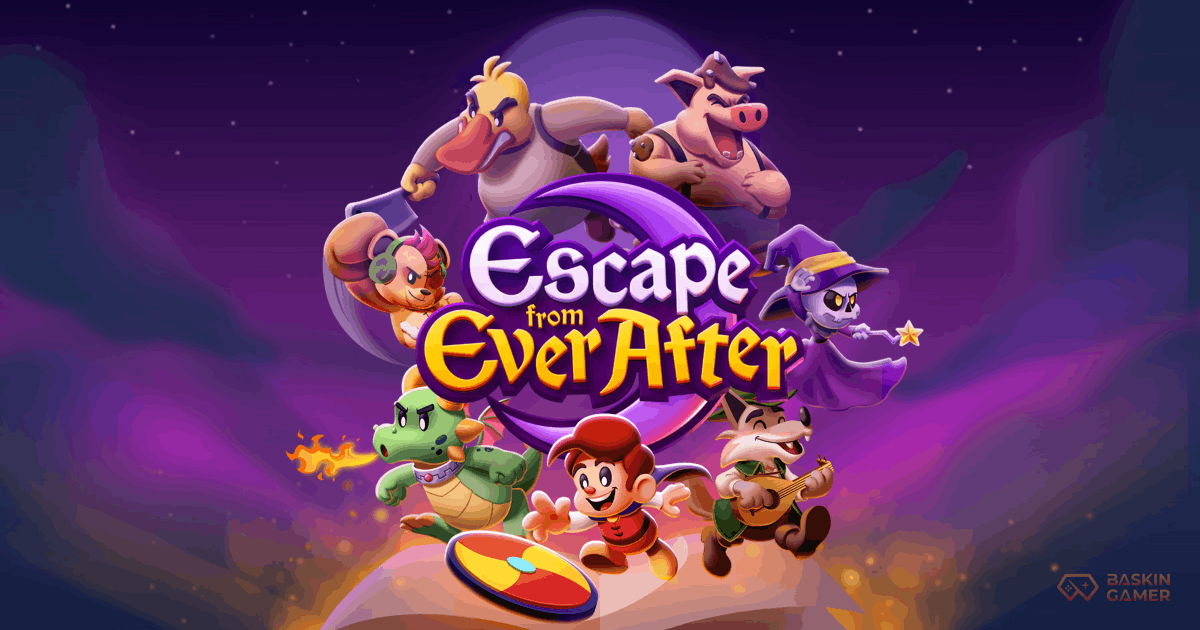
Escape from Ever After releasing on January 23, 2026, and at first glance, it looks cheerful, playful, and nostalgic. Bright colors. Friendly characters. Storybook charm. However, that surface-level warmth fades quickly once the game shows what it actually wants to say.
This is not a fairy tale about saving kingdoms. Instead, it is about working inside one.
Escape from Ever After reimagines classic storybook worlds as a corporate machine. Heroes, villains, and background characters all answer to the same system. Titles matter less than productivity. Purpose gets replaced by performance. The result feels oddly relatable, even when dragons and magic fill the screen.
Release Date and Available Platforms
The game launching globally on January 23, 2026, with support across modern platforms.
Playable platforms include:
- PlayStation 5
- Xbox Series X|S
- Nintendo Switch
- PC
Some listings also reference previous-generation consoles, but the current release focuses on newer hardware. Performance across systems remains stable, especially on PC and current consoles.
From Kickstarter Roots to Full Release
Before it became Escape from Ever After, the project began life under the name Flynt Buckler Wakes the Sleepy Castle. It entered the spotlight through crowdfunding, where its Paper Mario–inspired direction attracted early attention.
Over time, the developers refined the concept. The tone sharpened. The themes grew heavier. What started as a tribute slowly became its own voice.
That evolution matters. The final game does not feel like a clone or a nostalgia trap. Instead, it feels like a response to classic RPGs, shaped by modern frustrations and humor.
Story Premise: When Heroes Become Employees
Players step into the role of Flynt Buckler, a newly hired storybook hero employed by a powerful corporation called Ever After Inc.
This company invades fairy tales from the real world and converts them into profit-driven environments. Knights punch time cards. Villains attend meetings. Legends become replaceable assets.
As Flynt, you start at the bottom. You complete tasks. You meet other characters who feel trapped by the same system. Slowly, the story shifts from compliance to resistance.
What makes the narrative effective is restraint. The game never lectures. Instead, it lets situations speak for themselves. Small moments, awkward conversations, and absurd corporate logic build the message naturally.
Combat That Stays Active Every Turn
Combat uses a turn-based structure, but it avoids the usual waiting game. Every action depends on timing.
Attacks require precise button presses to deal full damage. Defense relies on reading enemy patterns and reacting at the right moment. Even blocking feels interactive.
Because of this, battles stay engaging from start to finish. You are never just selecting commands and watching animations. Your attention matters every turn.
This system rewards consistency more than raw stats. Skill improves outcomes faster than grinding, which fits the game’s overall pacing well.
Exploration and World Structure
Outside combat, exploration plays a major role. Each storybook world contains optional paths, hidden items, side stories, and environmental puzzles.
All worlds connect through a central office-style hub. This structure reinforces the corporate theme while keeping progression clear. New areas open gradually, encouraging backtracking without forcing it.
The environments remain visually playful, but they hide plenty of detail. Small interactions often reveal character backstories or subtle jokes about workplace culture.
Art Direction and Thematic Weight
Visually, Escape from Ever After leans into illustrated, storybook-style art. Characters look expressive and exaggerated. Environments feel hand-crafted rather than procedural.
The contrast between visuals and themes works in the game’s favor. Serious ideas land harder when delivered through humor and color. Instead of feeling dark, the experience feels honest.
Identity, exploitation, and purpose form the core themes. The game asks what happens when everyone plays a role assigned by someone else. It never answers directly, but it encourages reflection.
Early Player Reception
Before release, the developers shared a free prologue demo. Early players responded positively, especially to:
- Writing quality and humor
- Familiar but refined RPG mechanics
- Strong visual identity
Some feedback mentioned minor technical hiccups, but overall impressions leaned optimistic. Many players highlighted how confident the game feels in its tone.
Why This RPG Stands Out in 2026
Escape from Ever After does not rely on shock value or nostalgia alone. It uses classic mechanics as a foundation, then builds something personal on top.
In a crowded release year, it stands out by saying something meaningful without losing its sense of fun. That balance is difficult to achieve, and this game handles it well.
Frequently Asked Questions about Escape from Ever After
What kind of game is Escape from Ever After?
It is a turn-based RPG inspired by classic Paper Mario–style mechanics, with modern themes and satire.
When was Escape from Ever After released?
The game launched on January 23, 2026.
Which platforms support the game?
PlayStation 5, Xbox Series X|S, Nintendo Switch, and PC.
Does the game focus more on story or gameplay?
Both matter. The story drives progression, but combat and exploration remain central throughout.
Is Escape from Ever After suitable for casual RPG players?
Yes. The mechanics stay accessible while still rewarding mastery.
Stay tuned to Baskin Gamer as we bring you the latest updates on game news, releases, and more.