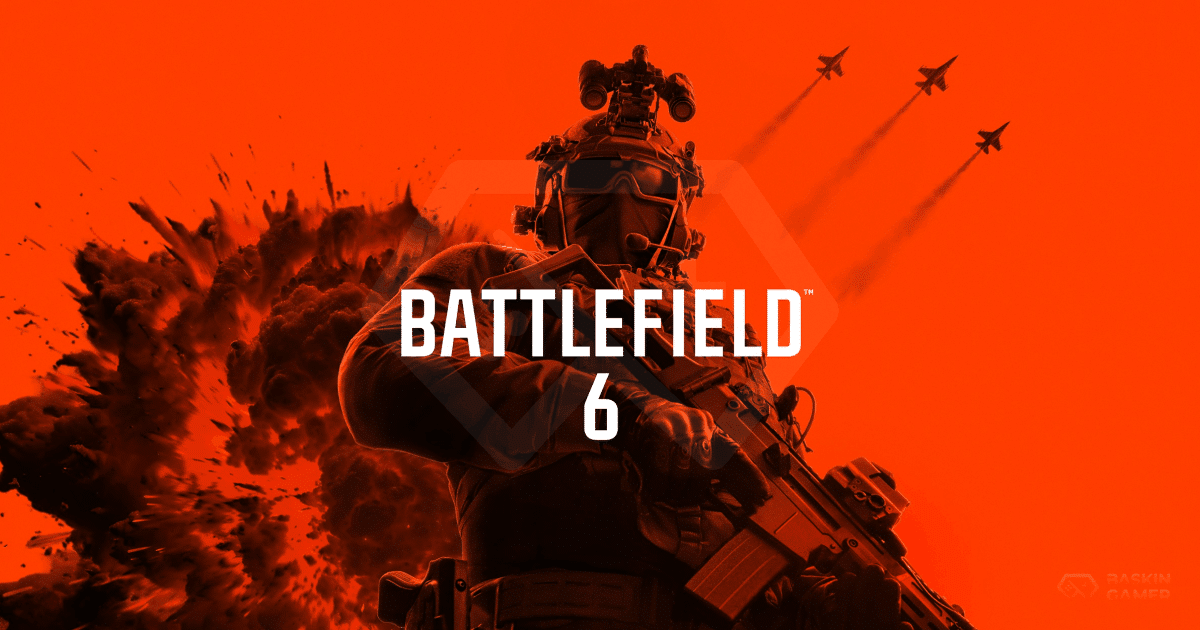
For most developers, releasing a hit game (Battlefield) is the goal.
The logic feels simple. If a game sells well and players love it, the studio behind it should be safe for a while.
But the situation around Battlefield 6 is challenging that assumption.
Just months after the game smashed franchise sales records, Electronic Arts confirmed layoffs affecting several teams connected to the Battlefield project. The news arrived on March 9, 2026, and the reaction across the industry was immediate.
Because Battlefield 6 wasn’t struggling.
Quite the opposite.
The game reportedly sold around seven million copies within its first three days, which made it the fastest-selling Battlefield title ever released. On top of that, it recently picked up Game of the Year at the UKIE Video Game Awards.
Normally those headlines signal stability.
This time, they didn’t.
What Actually Happened
Electronic Arts confirmed that several studios working on Battlefield are being affected by staff reductions. The companies involved include:
- DICE in Sweden
- Criterion Games in the United Kingdom
- Ripple Effect Studios in the United States
- Motive Studio in Canada
All four studios remain active, and EA insists the franchise itself is not going anywhere.
Still, the cuts are real.
The publisher described the move as a “realignment” of Battlefield Studios, the internal structure created to manage the series across multiple teams.
That word—realignment—has become very common in industry announcements.
But for the developers directly affected, it usually means the same thing.
Jobs disappearing after a project ships.
Why Layoffs Happened After a Huge Launch
For players watching from the outside, the situation feels confusing.
How can a game sell millions of copies and still trigger layoffs?
The answer partly lies in how success is measured today.
Years ago, selling seven million copies would have been considered more than enough. But modern multiplayer games operate differently. Publishers now focus heavily on long-term engagement rather than launch numbers alone.
Battlefield 6 had a massive opening week.
Steam charts showed a peak of roughly 747,000 players online at the same time. That kind of launch traffic looks impressive on paper.
But like most multiplayer games, the numbers dropped after the initial excitement faded.
Recent estimates place the game’s daily Steam activity somewhere between forty thousand and sixty thousand players. For many titles that would still be healthy.
However, live-service games often live or die based on retention curves.
And those curves rarely stay flat.
The Season 1 Controversy
Another issue surfaced earlier this year when the first seasonal update arrived.
Players noticed something odd in the cosmetic content.
One of the weapon stickers introduced in Season 1 featured a strange visual mistake—a rifle design that didn’t actually make sense mechanically. Fans quickly pointed out that the image looked like something generated by AI rather than created by an artist.
The conversation spread quickly online.
Some players were less concerned about the sticker itself and more worried about what it suggested. If cosmetic items were being produced using automated tools, did that mean fewer artists were involved in the process?
The backlash didn’t last forever, but it added tension to the conversation surrounding the game.
The Business Situation Behind the Scenes
There’s another layer to the story as well.
Electronic Arts is currently involved in negotiations tied to a possible $55 billion acquisition connected to Saudi Arabia’s Public Investment Fund.
EA has publicly said the layoffs are unrelated to those discussions.
Still, analysts often point out that companies preparing for major deals sometimes adjust staffing levels before agreements finalize. It’s a way to streamline operations or simplify financial forecasts.
Whether that factor played a role here remains uncertain.
But the timing hasn’t gone unnoticed.
The Bigger Issue: What Counts as Success Now?
The Battlefield situation highlights something developers have been talking about quietly for years.
In today’s industry, strong sales alone don’t guarantee security.
Games are increasingly judged by how long players stay engaged. Metrics like daily active users, retention percentages, and seasonal spending often matter more than launch-day performance.
That shift can create a strange reality.
A game can break records at launch and still be treated as unstable if engagement slows down later.
For developers working on these projects, that uncertainty can feel frustrating.
For players, it’s another reminder of how much the industry has changed.
What Happens to Battlefield 6 Next
Despite the layoffs, EA says the franchise will continue moving forward.
A reveal for Season 2 is expected soon, and the publisher is pushing its Battlefield Labs program, which allows selected players to test features and provide feedback before updates go live.
The idea is to keep the community involved while improving long-term content plans.
Whether that approach will bring players back in large numbers is another question.
But the next few months will likely determine how the game evolves.
Frequently Asked Questions
Did EA lay off Battlefield developers?
Yes. Electronic Arts confirmed layoffs on March 9, 2026 affecting multiple studios working within the Battlefield franchise structure.
Why were there layoffs if Battlefield 6 sold millions of copies?
The publisher described the decision as a restructuring effort. Analysts believe the shift may be connected to live-service planning and long-term player engagement concerns.
Final Thoughts
The story around Battlefield 6 feels uncomfortable because it contradicts a simple expectation.
A successful game should protect the people who built it.
But the modern gaming industry doesn’t always operate that way.
Sales numbers matter. Awards matter. Player feedback matters.
Yet in a world driven by live-service metrics, even record-breaking launches can come with uncertainty.
For now, Battlefield 6 continues forward.
But the layoffs surrounding it have already sparked a bigger conversation about what success really means in gaming today.
Stay tuned to Baskin Gamer as we bring you the latest updates on game news, releases, and more