
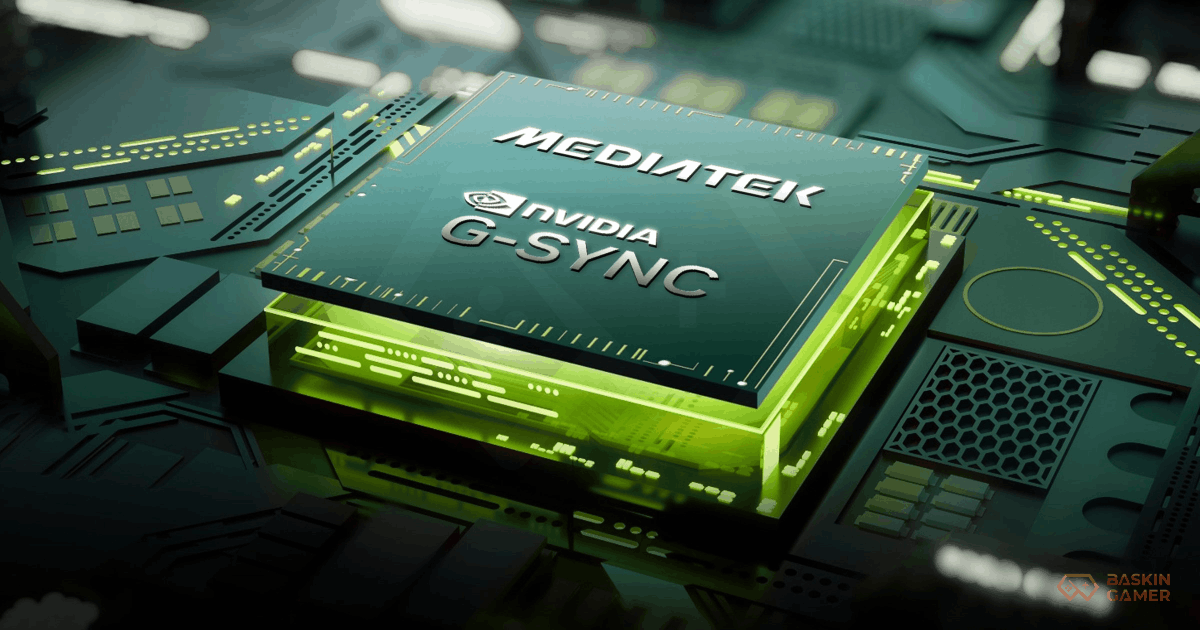
NVIDIA G-SYNC Pulsar : NVIDIA is setting its sights on competitive PC gaming again. This time, the focus is not on graphics cards. Instead, it is on displays.
The new G-SYNC Pulsar monitors are beginning to roll out through partners like Acer, AOC, ASUS, and MSI. These displays target players who care about speed, clarity, and consistency above everything else.
Rather than chasing higher resolution, Pulsar focuses on motion. That decision aligns closely with how competitive players actually play.
What Makes G-SYNC Pulsar Different
Traditional high-refresh-rate monitors already feel smooth. However, motion blur still appears during fast camera movement. Pulsar aims to reduce that blur further.
NVIDIA describes Pulsar as delivering “over 1,000 Hz effective” motion clarity. That figure does not mean raw refresh rate. Instead, it refers to how clean motion appears when strobing, overdrive, and variable refresh work together.
Because of this approach, fast flicks and rapid tracking look clearer. Targets remain readable even during sudden movement.
For competitive players, that clarity matters.
Variable Frequency Strobing Explained Simply
One of Pulsar’s core features is variable frequency strobing. In simple terms, the monitor adjusts its strobe behavior dynamically based on frame rate.
Fixed strobing often causes brightness issues or double images when frame rate fluctuates. Pulsar avoids that problem by syncing strobing with real-time performance.
As a result, motion stays sharp without introducing heavy artifacts. This balance helps during real matches, not just in controlled demos.
Why Esports Players Are Paying Attention
Competitive shooters demand precision. Games like Valorant, Counter‑Strike 2, and Fortnite reward fast reactions and visual clarity.
In these games, milliseconds matter. A blurred frame can mean a missed shot. A clearer frame can mean a win.
Pulsar targets that exact problem. It does not promise better aim. However, it removes visual friction that can slow reaction time.
That focus explains the growing interest among competitive players.
G-SYNC, VRR, and Overdrive Working Together
G-SYNC Pulsar still builds on NVIDIA’s variable refresh rate foundation. VRR ensures smooth output without tearing. Overdrive controls pixel response. Strobing sharpens motion.
What changes here is coordination. Pulsar manages these systems together instead of treating them separately.
Because of that coordination, transitions appear cleaner. Ghosting reduces. Input feels more consistent across frame rates.
This technical harmony is what separates Pulsar from earlier high-refresh monitors.
Early NVIDIA G-SYNC Pulsar Monitor Focus
| Feature | Purpose |
|---|---|
| Advanced Motion Clarity | Reduces blur during fast movement |
| Variable Frequency Strobing | Keeps motion sharp at fluctuating FPS |
| G-SYNC VRR | Eliminates tearing and stutter |
| Tuned Overdrive | Improves pixel response |
| Competitive Design | Built for esports play |
What This Means for PC Gaming in 2026
PC gaming trends often shift around hardware breakthroughs. Graphics once led the conversation. Now, responsiveness leads.
Pulsar reflects that shift. Competitive players already lower graphics settings to gain clarity and speed. A monitor that complements that mindset fits naturally.
Instead of chasing visual spectacle, NVIDIA appears to chase consistency. That decision matches how high-level players think.
If adoption spreads, monitor expectations could change across the entire esports space.
NVIDIA G-SYNC Pulsar – Final Thoughts
NVIDIA G-SYNC Pulsar does not chase visual flash. It chases control.
By focusing on motion clarity, synchronization, and consistency, Pulsar speaks directly to competitive players. It reflects how esports gaming has evolved.
If early impressions hold, displays could become just as important as GPUs in defining the PC gaming meta.
FAQs about NVIDIA G-SYNC Pulsar
What is NVIDIA G-SYNC Pulsar?
It is a new display technology focused on extreme motion clarity for competitive gaming.
Does Pulsar mean monitors run at 1,000 Hz?
No. The term refers to effective motion clarity, not raw refresh rate.
Who are Pulsar monitors designed for?
They target competitive PC gamers who prioritize clarity and responsiveness.
Will Pulsar help casual players?
Casual players may notice smoother motion, but the biggest benefits help competitive play.
Are Pulsar monitors replacing regular G-SYNC displays?
No. Pulsar expands the G-SYNC lineup rather than replacing it.
Stay tuned to Baskin Gamer as we bring you the latest updates on game news, releases, and more!