
Triple-I games are becoming one of the most interesting spaces in modern gaming.
Not because they are trying to be AAA.
Because they usually know exactly what they want to be.
These are the games that sit in that sweet spot between raw indie creativity and higher-end production quality. They often come from smaller or independent studios, but they look sharper, play cleaner, and aim bigger than the average indie release. That is what makes them so easy to notice right now. They feel ambitious without feeling bloated.
On Baskingamer, this Triple-I Games page is where we track the titles in that space that are actually worth watching — from standout new releases and hidden gems to updates, reviews, patch notes, and upcoming launches across PC, PlayStation, Xbox, and Nintendo Switch.
Triple-I Games Articles
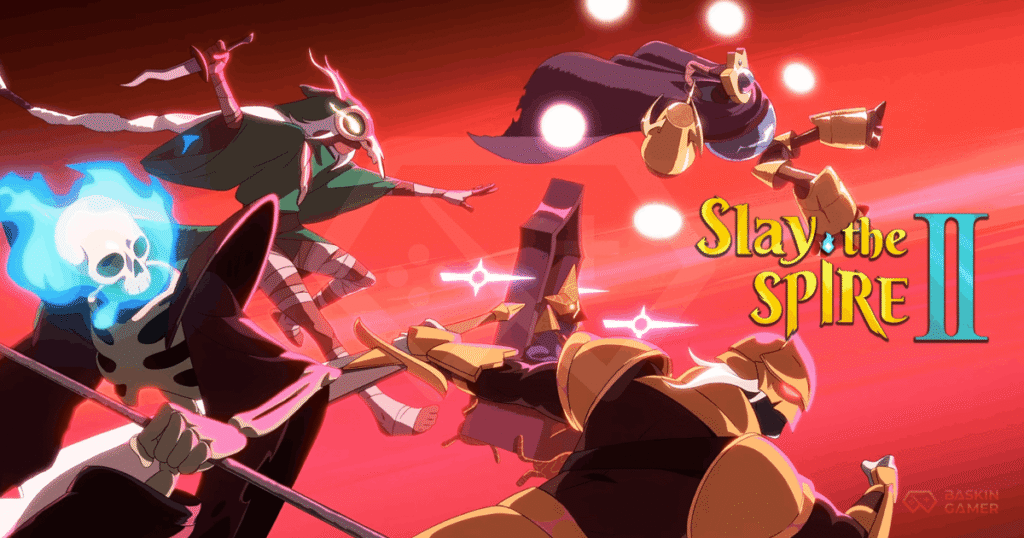
Slay the Spire 2 Steam Review Bomb Explained: Why the First Big Balance Patch Has Players Fighting Back
Slay the Spire 2 is still one of the biggest PC success stories of 2026…
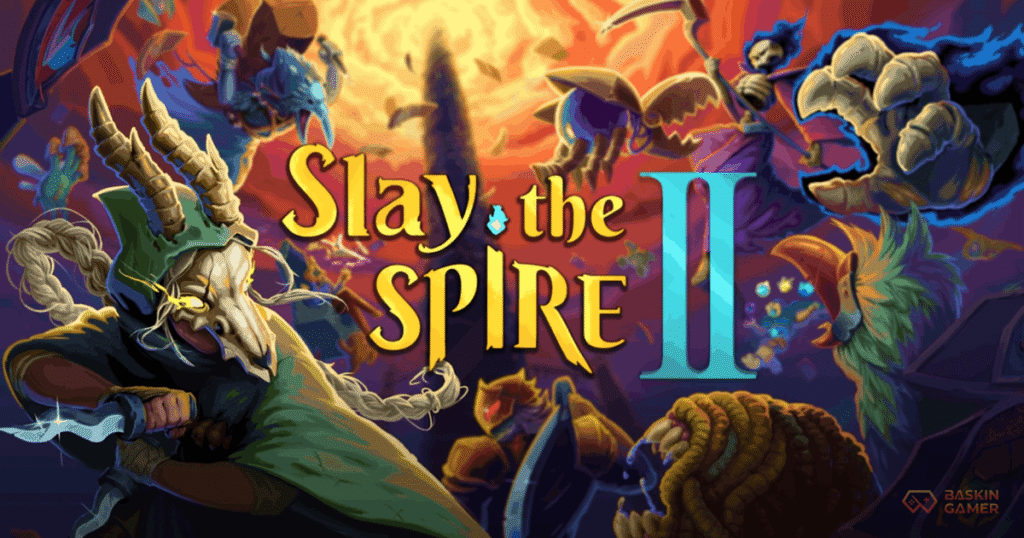
Slay the Spire 2 Just Revealed Its March 5 Launch — And 4-Player Co-Op Is a Game-Changer
Mega Crit dropped the Slay the Spire 2 Early Access trailer on February 19, confirming…
Why Triple-I Games Are Getting More Attention
Players are getting smarter about what they want.
A bigger budget alone is not enough anymore.
That is part of why Triple-I games are having a moment. They often deliver the polish people expect from premium releases, but they still keep the personality, risk-taking, and stronger creative identity that made indie games exciting in the first place. Instead of trying to be the biggest game in the room, they usually focus on being the most interesting one.
And honestly, that works.
A lot of players are tired of games that feel oversized just for the sake of it. Triple-I games tend to feel tighter, more intentional, and more confident about what they are trying to do. That combination is hard to ignore once you start noticing it.
What Does “Triple-I” Actually Mean?
The term is still newer than labels like indie, AA, or AAA, so not everyone uses it the same way.
But the easiest way to understand it is this:
Triple-I usually refers to games made by independent or smaller studios that still aim for a premium feel. They are not traditional AAA blockbusters with giant publisher budgets, but they also go beyond the rougher or more minimal scope many people associate with smaller indie titles.
That can mean:
- stronger visual presentation
- more polished combat or gameplay systems
- bigger world design or deeper progression
- more ambitious scope without full AAA scale
- a premium-quality experience with a smaller studio mindset
So no, Triple-I is not an official industry tier.
But as a player-facing label, it makes sense.
Because some games clearly feel bigger than “just indie” without fully belonging in the AAA conversation.
Why Triple-I Games Feel Different From Standard Indie Titles
It usually comes down to ambition.
A standard indie game might be built around one brilliant mechanic, one memorable art style, or one focused experience. Triple-I games often take that same creative spirit and push it further with more polish, stronger systems, better production quality, or a broader overall scope.
That is where the difference starts to show.
You can feel it in:
- smoother moment-to-moment gameplay
- stronger visual identity with more technical confidence
- larger or denser game worlds
- better presentation, animation, or sound design
- a release that feels premium without feeling corporate
That does not automatically make Triple-I “better” than regular indie games.
Not even close.
It just means these games tend to sit in a different lane — one where the studio is clearly aiming for a bigger swing without losing its creative edge.
Why Players Keep Watching the Triple-I Space
Because this is where a lot of future breakout hits are coming from.
That is the real answer.
Triple-I games often hit a very specific balance that players love: they feel substantial, polished, and exciting, but they still have that spark bigger games sometimes lose. They can take risks. They can move in strange directions. They can build around a strong idea instead of a giant content checklist.
That is why these games keep showing up in “best surprise of the year” conversations.
Not every Triple-I title lands, obviously.
But when one does, it can hit like a full-scale breakout.
And that is exactly why this category matters more now than it did a few years ago.
What You Will Find in Baskingamer’s Triple-I Games Section
This page is built for players who want to catch ambitious games early.
Not just the obvious headliners — the games that start getting real attention because they look premium, play well, and clearly have something bigger going on under the hood.
Here on Baskingamer, you can follow:
- New Triple-I game releases
- Premium indie-scale hidden gems
- Triple-I game news and updates
- Patch notes and post-launch changes
- Reviews and early impressions
- Gameplay guides and feature breakdowns
- Upcoming Triple-I games to watch
- High-quality indie-style games gaining momentum
If it sits between indie creativity and premium-level ambition, this is where it belongs.
Where to Start If You Are New to Triple-I Games
Start with the games that make you pause for a second.
That is usually the giveaway.
If you see a title from a smaller studio and your first reaction is, “Wait… this looks way bigger than I expected,” there is a good chance you are looking at something in the Triple-I lane. That could be because of the visuals, the combat, the world design, the presentation, or just the overall confidence of the game.
And that is really the best entry point.
Do not worry too much about whether the label is technically perfect.
Focus on the feeling.
If a game has indie DNA but carries itself like a premium release, that is usually where the Triple-I conversation starts.
Why Triple-I Games Matter in Today’s Gaming Landscape
Because they prove there is a middle path players actually care about.
Not everything needs to be a tiny passion project.
Not everything needs to be a giant blockbuster either.
Triple-I games show that there is real demand for ambitious, polished, creatively driven games that do not need the full AAA machine behind them. They can feel leaner. Sharper. More focused. And in a lot of cases, more memorable.
That matters more than people think.
Especially now, when players are paying closer attention to value, originality, and whether a game actually feels worth their time.
Triple-I games are not just a buzzword category.
They are becoming one of the most exciting lanes in gaming for players who want quality without all the usual baggage.
Frequently Asked Questions About Triple-I Games
What are Triple-I games in simple terms?
Triple-I games are usually ambitious games made by independent or smaller studios that aim for a more premium experience than typical indie titles. They often combine indie creativity with stronger polish, bigger scope, and higher production quality.
Are Triple-I games the same as indie games?
Not exactly. Most Triple-I games still have indie roots or smaller-studio origins, but the term is often used for titles that feel more ambitious, more polished, or more premium than what people usually expect from a standard indie release.
Are Triple-I games the same as AA games?
Sometimes they can overlap, but they are not always the same thing. AA usually points more toward mid-budget development and a clearer production tier, while Triple-I is often used more as a player-facing label for premium-feeling indie or independent studio games.
Why are Triple-I games getting popular right now?
Because players want games that feel polished and substantial without always needing the size, price, or design bloat that can come with AAA releases. Triple-I games often hit that balance well, which makes them stand out fast.
Why follow a Triple-I Games page like this?
Because this space moves quickly, and a lot of standout titles can slip past mainstream coverage early on. A dedicated Triple-I Games page helps you track new releases, hidden gems, reviews, updates, patch notes, and upcoming premium indie-scale games in one place.