
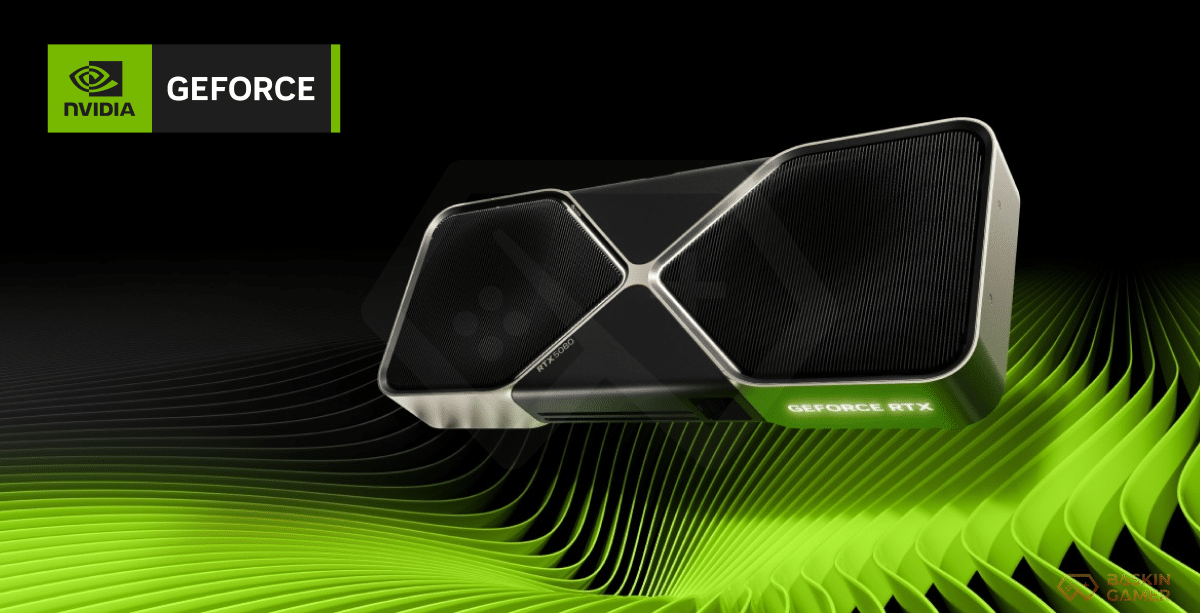
Cloud gaming in India just crossed a serious milestone. The GeForce Now India Mumbai server launch is no longer a rumor or beta whisper. NVIDIA has officially activated Blackwell-powered SuperPods in Mumbai, and early testers are reporting latency figures that challenge traditional gaming setups.
For years, Indian players struggled with 120–180ms cloud delays routed through Europe. Today, the conversation looks very different. With local infrastructure in place, the bigger question becomes strategic rather than technical: does the new 100-hour monthly limit change the value equation?
Let’s break it down.
Mumbai SuperPods: Blackwell Architecture Goes Local
Unlike previous third-party partnerships, NVIDIA operates the Mumbai data center directly. These servers run RTX 5080-class SuperPods built on the Blackwell architecture.
During early hands-on sessions, testers in Mumbai recorded:
- 1–2ms local network latency
- 2ms–15ms real-world gameplay latency depending on ISP
- Stable 4K streams under ideal fiber conditions
For the first time, cloud gaming in India feels close to local hardware response.
That changes perception.
Historically, Indian gamers avoided cloud services because of input delay. With the GeForce Now India Mumbai server launch, that barrier shrinks significantly.
Cinematic Quality Streaming (CQS) Arrives Early in India
India becomes one of the first regions to receive Cinematic Quality Streaming by default.
CQS enables:
- YUV 4:4:4 chroma sampling
- Bitrates up to 100 Mbps
- Sharper text clarity
- Reduced compression artifacts
Previously, cloud streams often looked soft or “mushy,” especially during fast motion. With CQS, image fidelity improves noticeably, particularly in darker games or competitive shooters where sharp edges matter.
This improvement makes the service viable for esports-focused players.
The 100-Hour Monthly Cap: The Community Split
However, the GeForce Now India Mumbai server launch includes a controversial element.
Starting 2026, paid members receive a 100-hour monthly cap.
Unused hours roll over, up to 15 hours. After exceeding the limit, users must purchase additional hour blocks.
For casual players, 100 hours translates to roughly:
- 3+ hours per day
- 25 hours per week
For competitive grinders or streamers, that ceiling feels restrictive.
The debate now centers on usage patterns rather than performance quality.
Cloud vs Local RTX 5080: The Practical Comparison
Here is a simplified value comparison:
| Feature | GFN India (Ultimate Tier) | Local RTX 5080 PC |
|---|---|---|
| Upfront Hardware Cost | None | High investment |
| Latency (Mumbai) | 2ms – 15ms | Near-zero local |
| Usage Limit | 100 Hours / Month | Unlimited |
| Portability | Laptop / Tablet Ready | Desktop Setup |
| Maintenance | Handled by NVIDIA | User-managed |
The table highlights the real trade-off.
Cloud gaming removes hardware dependency. However, it introduces a usage ceiling.
Therefore, the GeForce Now India Mumbai server launch primarily benefits:
- Students using mid-range laptops
- Professionals without gaming PCs
- Players who rotate between devices
Hardcore marathon players must calculate their monthly usage carefully.
ISP Partnerships and L4S Technology
NVIDIA is collaborating with Indian ISPs to deploy L4S (Low Latency, Low Loss, Scalable Throughput).
In simple terms, L4S creates a prioritized pathway for gaming packets.
That means:
- Reduced packet buffering
- Lower congestion spikes
- More stable frame pacing
For urban centers like Mumbai, this could redefine cloud gaming consistency. However, adoption will depend heavily on ISP-level implementation across other cities.
Why This Launch Matters for India’s Gaming Ecosystem
The GeForce Now India Mumbai server launch does more than add servers.
It shifts the hardware conversation.
Indian gamers traditionally saved for high-end GPUs. Now, the model evolves toward subscription-based access to cutting-edge hardware.
This may influence:
- Laptop-first gaming growth
- Reduced entry barriers for AAA titles
- Increased accessibility for students
At the same time, the 100-hour structure ensures that cloud remains a complementary solution, not a total desktop replacement.
Final Thoughts
The GeForce Now India Mumbai server launch represents a technological breakthrough for Indian gamers. Latency barriers are finally shrinking. Streaming quality has improved. Infrastructure feels mature.
Yet the 100-hour monthly limit ensures the service remains strategic rather than limitless.
For moderate players, it delivers high-end performance without hardware ownership. For extreme grinders, local builds still offer unlimited flexibility.
Ultimately, this launch marks the beginning of India’s serious cloud gaming era.
Now the real test begins: how players adapt to structured playtime in a culture known for marathon sessions.
Frequently Asked Questions
What is the monthly hour limit for GeForce Now in India?
GeForce Now India includes a 100-hour monthly playtime cap for paid subscribers. Up to 15 unused hours can roll over to the next month.
How much latency do Mumbai users experience?
Early testers report 2ms–15ms gameplay latency within Mumbai, depending on ISP quality.
Does the 100-hour limit affect all plans?
Yes. Paid tiers follow the global 100-hour structure introduced in 2026.
Is cloud gaming now viable in India?
With local servers and CQS streaming, cloud gaming becomes significantly more responsive and visually stable than previous international-routing setups.
Stay tuned to Baskin Gamer as we bring you the latest updates on game news, releases, and more!