
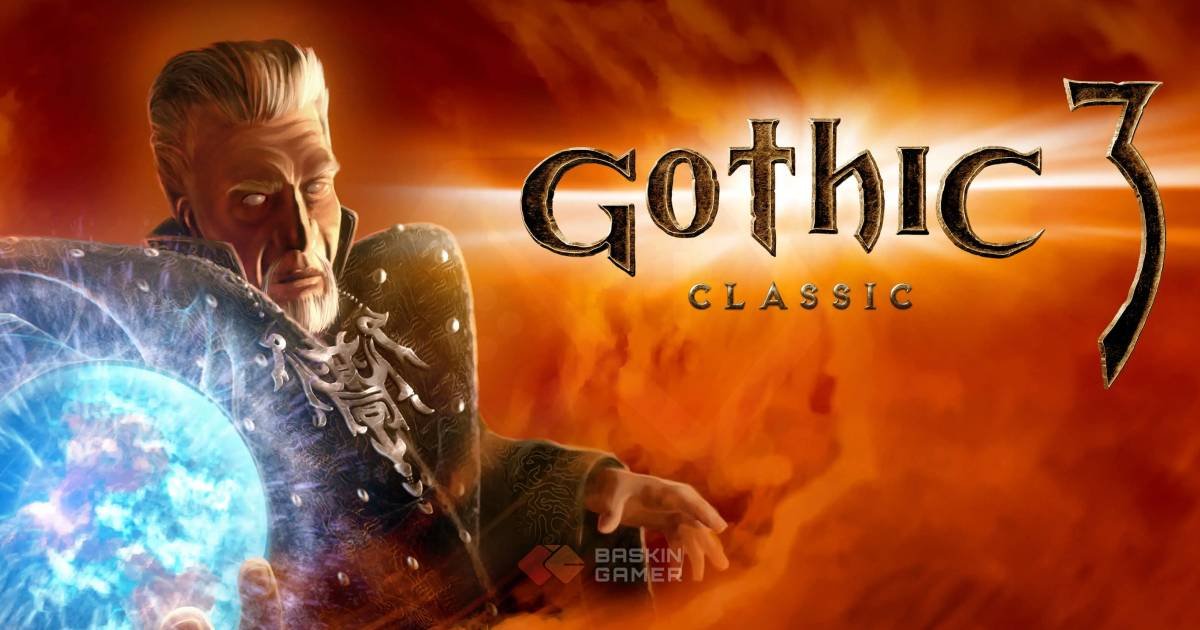
A war has consumed Myrtana. Orcs control much of the mainland, human rebels are fighting to reclaim their homeland, and the southern Hashishin have their own interests in the conflict. Into this divided world arrives the Nameless Hero, whose decisions will influence the fate of the kingdom.
Gothic 3 Classic brings the open-world RPG to PlayStation 5 and Xbox Series X|S on November 24, 2026. Its console edition includes Community Patch 1.75, gameplay improvements and a dedicated gamepad interface. For newcomers, however, the biggest challenge is understanding how its open-ended progression, faction reputation and combat systems fit together.
There is no traditional class selection waiting at the beginning. Instead, you develop your character through learned skills, attributes, equipment and the decisions you make while exploring Myrtana.
This Gothic 3 Classic beginner guide explains the essential systems and offers practical tips to help you get started without locking yourself into a particular playstyle.
Quick Summary
- Gothic 3 Classic launches on PS5 and Xbox Series X|S on November 24, 2026.
- The Nintendo Switch 2 version is scheduled for Early 2027.
- The console edition includes Community Patch 1.75 and an updated gamepad interface.
- Character development is class-free, allowing you to develop different combat abilities.
- The three major political paths centre on the Rebels, Orcs and Hashishin.
- Melee, ranged weapons and magic provide different ways to approach combat.
- Faction reputation influences how characters and settlements respond to you.
- Side quests offer additional experience and opportunities to build relationships.
1. What Is Gothic 3 Classic?
Gothic 3 is an open-world role-playing game developed by Piranha Bytes. It takes place on the mainland of Myrtana, where the human kingdom has suffered defeat against an invading Orc army.
King Rhobar II is defending Vengard, while Orc forces occupy important settlements across the land. Human resistance groups continue fighting, but their leaders do not always agree on the future of the kingdom. Further south, the Hashishin cooperate with the Orcs and maintain their own influence in the desert region of Varant.
You play as the Nameless Hero, returning to the mainland after the events of his previous adventures. Your actions determine which groups receive your support and how the conflict develops.
Unlike a linear RPG, Gothic 3 gives you considerable freedom to explore, complete quests and approach the central conflict through different political paths.
2. What Has Changed in the Console Edition?
The November release is designed to make Gothic 3 more accessible on modern consoles without removing its original open-world RPG structure.
THQ Nordic confirms several improvements:
- Community Patch 1.75 integration.
- Additional gameplay improvements.
- A dedicated gamepad interface and controls.
- Further optimisation intended to provide a smoother experience.
The game also retains its large world, character progression and faction-driven story. Its world contains hundreds of individual characters with voiced dialogue, more than 50 monsters and animals, over 100 weapons and more than 50 spells.
These features make the console release more than a straightforward change of platform. It gives a new audience an opportunity to experience the classic RPG with updated controls and improvements.
However, the final performance and feel of the console version should be judged after its release rather than assumed from the publisher’s description.
3. Understanding Myrtana’s Three Major Faction Paths
Faction choices are central to Gothic 3. The conflict is not simply a battle between humans and Orcs. Different groups have their own goals, and your reputation with them affects how the world responds.
The Rebels
The Rebels oppose the Orc occupation and support the restoration of human control over Myrtana. They operate from hidden camps and settlements, working to undermine Orc authority.
Supporting them means helping resistance groups, completing their missions and contributing to efforts against occupied settlements.
This path suits players interested in the human resistance and the struggle to reclaim the kingdom.
The Orcs
The Orcs have conquered much of Myrtana and established control over its important settlements. They are not presented simply as mindless enemies. Their leaders have objectives, and human mercenaries work alongside their forces.
Supporting the Orcs means completing tasks that strengthen their position and cooperating with the authorities controlling the mainland.
This route offers a different perspective on the conflict and allows you to experience the world from the occupying side.
The Hashishin
The Hashishin dominate much of the southern desert region of Varant. They cooperate with the Orcs but maintain their own political interests and leadership.
Their territory introduces a different environment, settlements and quest opportunities. Players who build relationships with them can explore another major path through the story.
The important point is that these are not the only groups in Myrtana. Nomads, Rangers and the people of Nordmar also influence the wider conflict. The three paths above represent the major political directions rather than a complete list of the world’s factions.
4. How Class-Free Character Development Works
Gothic 3 does not ask you to select a permanent class such as Warrior, Mage or Rogue before beginning your adventure.
Instead, you develop the Nameless Hero through attributes and individual skills. This gives you room to shape your character around the equipment and abilities you prefer.
As you gain experience, you receive learning points. Trainers can teach new abilities in exchange for those points and, in some cases, gold or other requirements.
Your character development covers several areas:
| Development area | General purpose |
|---|---|
| Fighting | Improves close-combat capabilities |
| Hunting | Supports ranged combat and related skills |
| Magic | Develops spellcasting abilities |
| Thievery | Provides access to specialised abilities |
| Alchemy | Supports potion and preparation skills |
| Other skills | Covers additional character abilities |
A useful beginner approach is to identify the type of combat you enjoy before spending learning points. You do not need to commit to a complete build immediately, but developing a clear direction makes progression easier to manage.
Visit trainers when you discover new settlements, inspect the abilities they offer and compare their requirements with your available learning points.
5. Choosing Between Melee, Ranged Combat and Magic
Gothic 3 supports several combat approaches. The right choice depends on how you prefer to handle enemies and which abilities you want to develop.
Melee Combat
Close combat gives you several weapon options, including one-handed swords, two-handed weapons, dual-wielding and sword-and-shield fighting.
These styles offer different advantages. A shield provides additional protection, while heavier weapons can deliver powerful attacks. Dual weapons offer another approach when dealing with multiple opponents.
Beginner tip: Do not rely on one attack pattern against every enemy. Pay attention to enemy movement and vary your attacks. The original combat design distinguishes quick attacks, standard attacks, power strikes and defensive actions.
Ranged Combat
Bows and crossbows let you attack enemies from a distance. They are useful when you want to engage a target before it reaches you.
The two weapon types handle differently. Bows require you to draw and release an arrow, while crossbows use bolts and offer a more direct aiming approach.
Beginner tip: Make use of distance when approaching dangerous enemies. Ranged attacks can help you understand an encounter before committing to close combat.
Magic
Magic offers another route through the world. Gothic 3 features more than 50 spells, giving players access to a broad selection of magical abilities.
Spellcasting requires character development and learning the appropriate abilities. The game’s magic systems include different traditions connected to the gods and the world of Myrtana.
Beginner tip: If you want to develop a magic-focused character, explore spell-related opportunities and trainers instead of treating magic as an occasional replacement for your main weapon.
6. Weapons, Spells and Character Progression
Equipment matters throughout your adventure. Gothic 3 features more than 100 weapons, covering close and ranged combat. You will also encounter armour, shields, magical equipment, potions and other useful items.
Do not judge equipment only by its appearance. Compare its attributes and protection values before replacing something that already works well.
Armour deserves particular attention because different pieces can provide protection against physical and other forms of damage. The character overview helps you understand your current protection and abilities.
Keep an eye on these areas:
- Check weapon requirements before investing in a new combat direction.
- Visit trainers to discover skills you can learn.
- Inspect armour protection rather than focusing only on appearance.
- Keep useful potions and food available.
- Review newly discovered spells and equipment.
- Use the inventory and character overview to monitor your development.
Progression is not limited to combat. Learning additional skills can make exploration and other activities more useful as your adventure continues.
7. How Story Decisions Influence the World
Your actions affect more than the next conversation. Gothic 3 uses a reputation system that tracks your standing with individual factions and settlements.
Completing quests can improve your relationship with a group. Other actions, including theft, attacks and killing characters, can have negative consequences if witnessed.
Reputation influences how people respond to you and can determine access to certain areas, equipment and opportunities.
This makes the quest log particularly important. Check your active missions, read their descriptions and review your reputation before taking actions that could affect a settlement.
One useful beginner habit is to avoid treating every hostile-looking group as an immediate combat encounter. Some characters may offer information, quests or opportunities that become unavailable if you attack them.
8. Why Side Quests Matter
Myrtana is filled with settlements, characters and optional activities. Side quests provide additional context about the conflict while giving you opportunities to gain experience and build faction relationships.
They can also introduce you to new trainers, merchants and locations.
Rather than rushing directly through the main story objectives, spend time learning about the places you visit. Speak to characters, explore nearby areas and check the mission log regularly.
This approach helps you understand the political situation and develop your character before facing more demanding encounters.
9. Beginner Mistakes to Watch For
Gothic 3 gives players freedom, but that freedom can make the early experience challenging. Keep these common mistakes in mind:
- Ignoring faction reputation: Your actions can change how groups respond to you. Check your standing before making major decisions.
- Spending learning points without a plan: Explore the available skills and trainers before investing heavily in abilities you may not use.
- Rushing into every fight: Not every encounter needs to become a direct confrontation. Consider your equipment and approach.
- Ignoring side quests: Optional missions provide additional experience and help you understand the world.
- Overlooking equipment protection: Compare armour and other defensive equipment rather than focusing exclusively on weapon damage.
- Treating every faction as an enemy: Myrtana’s political situation is more complicated than a simple humans-versus-Orcs conflict.
10. Gothic 3 Classic Release Date and Platforms
Gothic 3 Classic launches on November 24, 2026, for PlayStation 5 and Xbox Series X|S.
The Nintendo Switch 2 version has a separate release window. THQ Nordic’s current release calendar lists it for Early 2027 rather than November 24.
| Platform | Release date |
|---|---|
| PlayStation 5 | November 24, 2026 |
| Xbox Series X|S | November 24, 2026 |
| Nintendo Switch 2 | Early 2027 |
The console release includes Community Patch 1.75, additional gameplay improvements and a dedicated gamepad interface.
For players discovering the series for the first time, this is an opportunity to explore one of its largest open-world adventures on modern hardware.
Final Thoughts
Gothic 3 Classic offers a different kind of RPG experience. Its class-free progression, faction reputation and open-world structure give players considerable freedom to decide how the Nameless Hero develops and which side of Myrtana’s conflict receives his support.
Newcomers should focus on understanding the world before committing to a particular faction or character direction. Explore settlements, speak with trainers, complete side quests and pay attention to how your actions affect reputation.
The most important beginner lesson is simple: Myrtana does not revolve around one correct way to play. Your decisions shape the adventure, and the freedom to make those decisions is at the heart of Gothic 3.
FAQs
When does Gothic 3 Classic release on consoles?
Gothic 3 Classic launches on PS5 and Xbox Series X|S on November 24, 2026.
Is Gothic 3 Classic coming to Nintendo Switch 2?
Yes. However, the Switch 2 version is currently scheduled for Early 2027, not November 24, 2026.
Does Gothic 3 Classic have a class system?
No. It uses class-free character development, allowing players to develop different attributes and skills as they progress.
Which factions can players support in Gothic 3?
The three major political paths centre on the Rebels, Orcs and Hashishin. Other groups, including the Nomads and Rangers, also play roles in the world.
What combat styles are available in Gothic 3?
Players can use melee weapons, bows, crossbows and magic. The game includes more than 100 weapons and over 50 spells.
Does the console edition include Community Patch 1.75?
Yes. THQ Nordic confirms that Community Patch 1.75 is integrated into the console edition, alongside further gameplay improvements.
Should beginners choose a faction immediately?
There is no need to rush into a final decision. Explore the world, complete quests and understand the different groups before committing to major story choices.
Stay tuned to Baskin Gamer as we bring you the latest updates on game news, releases, and more