
Game Analysis
-
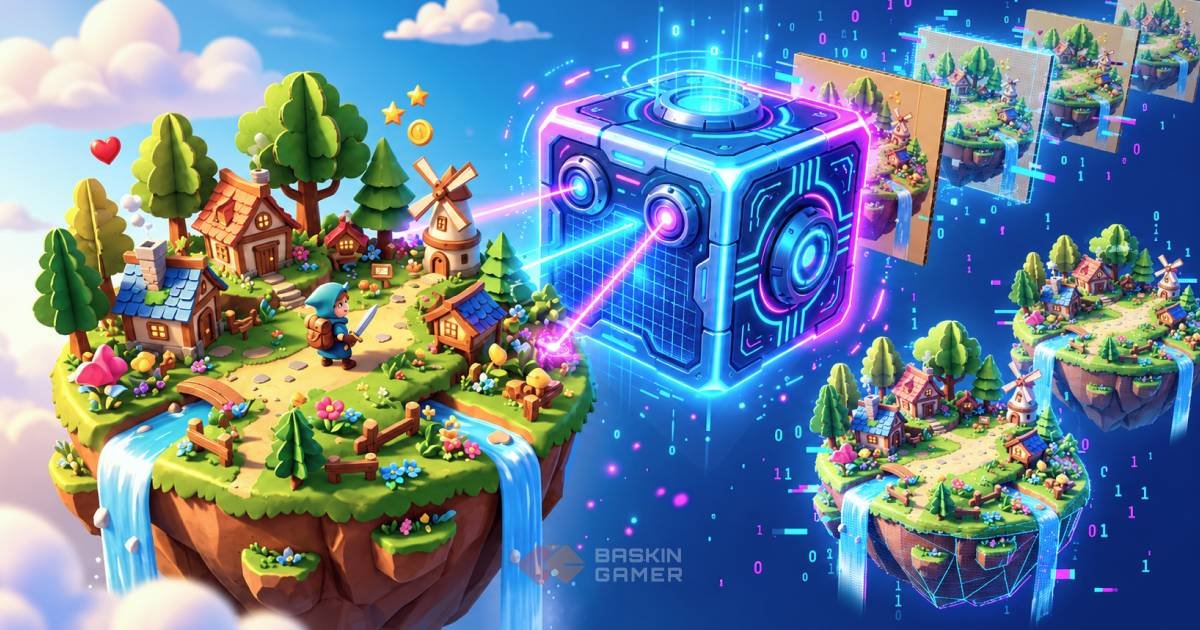
AI Game Clones Are Creating a New Problem for Indie Developers
An indie developer has a new reason to be careful about showing a game too early. Not because someone might steal the idea. That has always happened. The more uncomfortable possibility is that a developer can spend months building a small game, finally show it to the public, and watch something remarkably similar appear before…
-
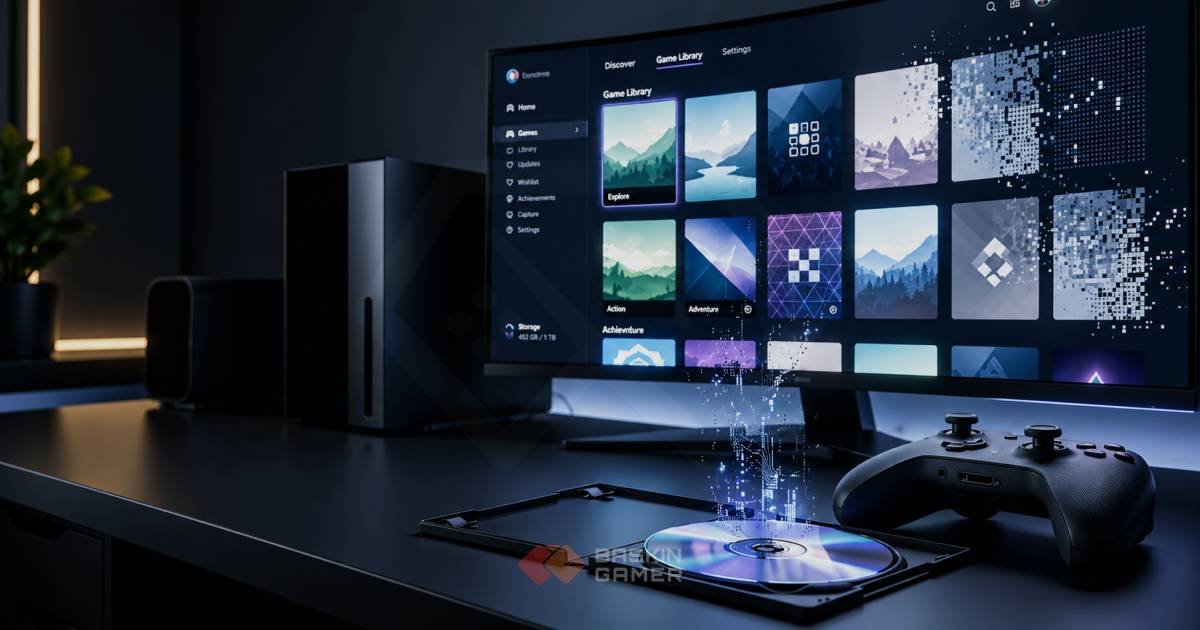
Power to the Players Act: What It Means for Game Ownership
You can buy a game today and still have no guarantee that it will remain playable forever. That sounds strange when you first think about it. A game can sit in your digital library for years. You paid for it. It is attached to your account. Yet a server can shut down, a storefront can…
-
Epic’s AI-First Game Development Shift Explained
Epic Games is making a much bigger bet on artificial intelligence than simply adding another AI tool to its development toolbox. According to reports, the company has shifted an unannounced Disney collaboration toward an AI-first production model, with the team being instructed to use AI heavily for both code and artwork. The project, reportedly a…
-
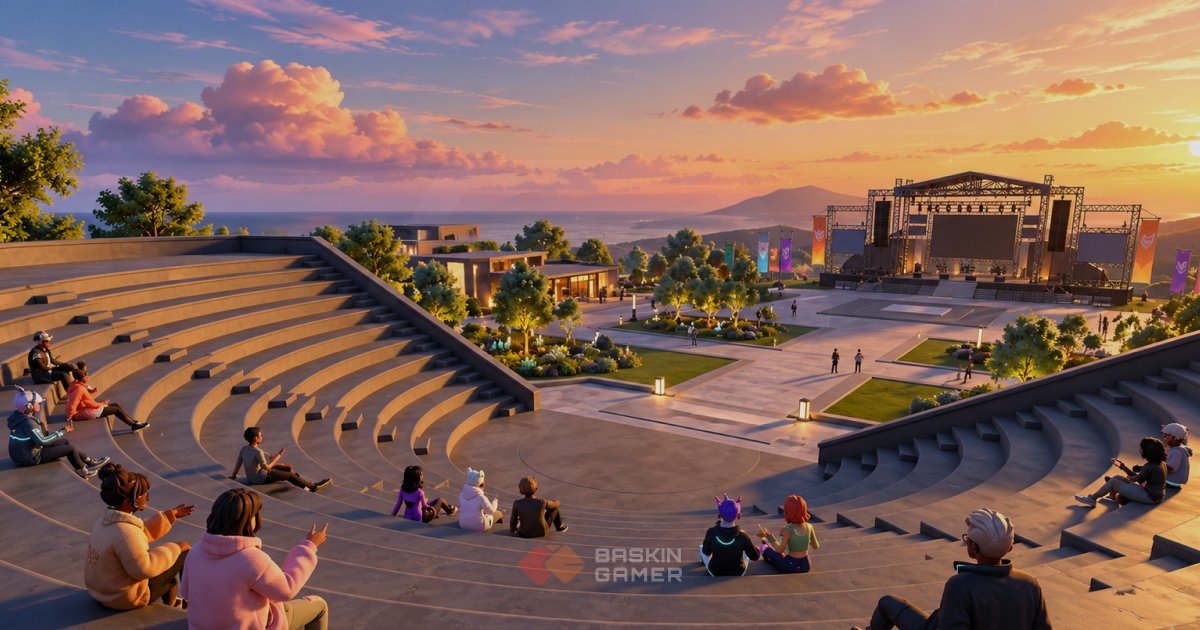
Why Video Games Are Becoming Social Platforms
For years, the usual question was simple: What are you playing? That question is becoming harder to answer. A player might enter a game to compete, spend an hour talking to friends, watch an event, explore a virtual space, meet someone new, and leave without really caring about the original objective. The game was still…
-
SteamOS Is Becoming More Than a Steam Deck Operating System
SteamOS started with a fairly simple identity. It was the operating system built around the Steam Deck. That description is becoming harder to maintain. Valve’s latest stable release, SteamOS 3.8.28, went live on September 24 with a new major Mesa graphics-driver release, improved VRAM management, Steam Machine-related changes, preliminary Steam Frame Wireless Adapter support and…
-
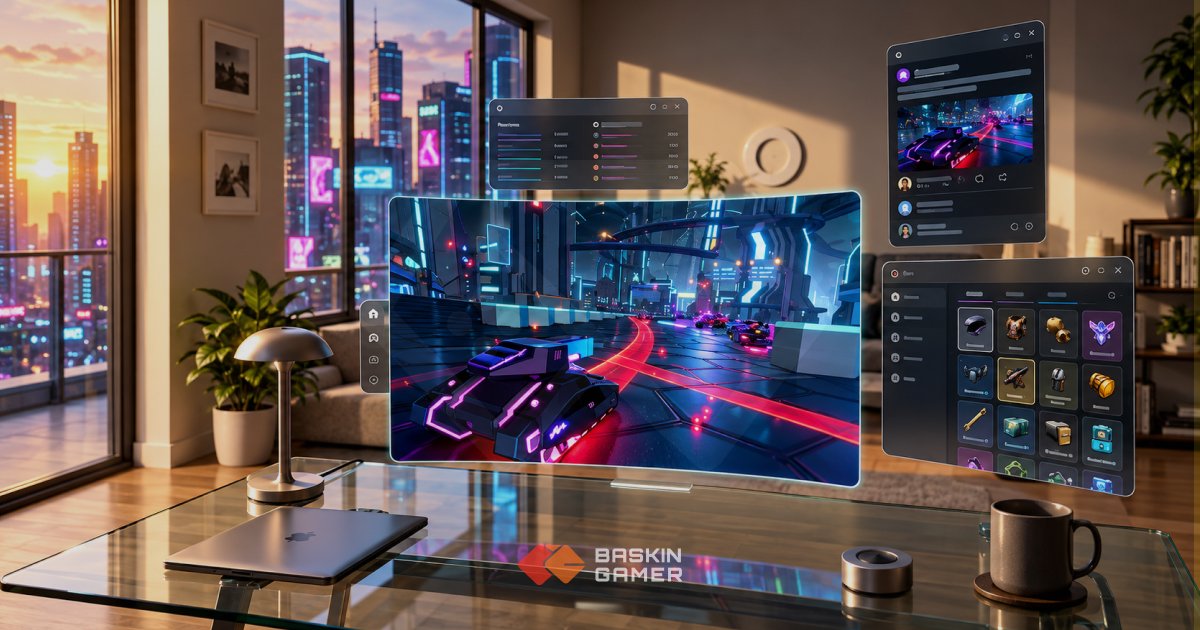
Meta’s New VR Glasses Could Change What Gaming Hardware Looks Like
Virtual reality has spent years chasing the same goal: make the experience more immersive without making the hardware harder to wear. Meta’s new VR Glasses take a different route. Instead of putting the processor, battery and storage directly inside the device sitting on the player’s face, Meta has moved those components into a separate computing…
-
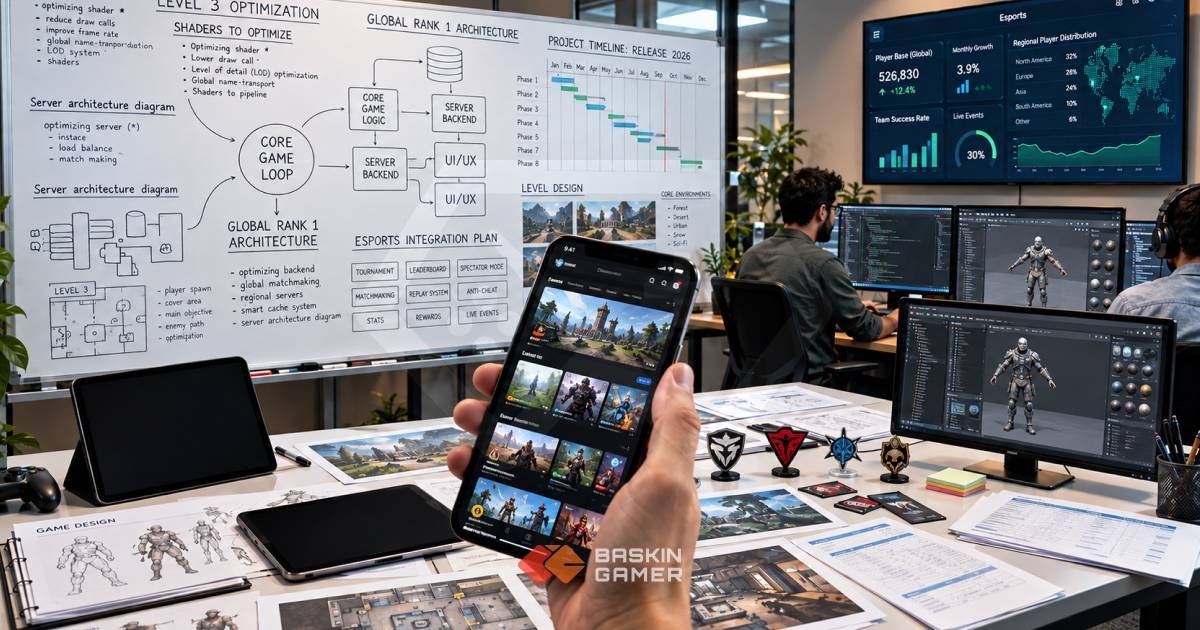
Why More Game Funding Is Moving Beyond the Prototype Stage
A playable prototype can prove that a game works. It cannot prove that a studio can finish it. That distinction is becoming increasingly important for independent developers, particularly as the cost of taking a promising idea from prototype to commercial release continues to grow. Ireland’s latest games funding structure offers an interesting example. The Irish…
-
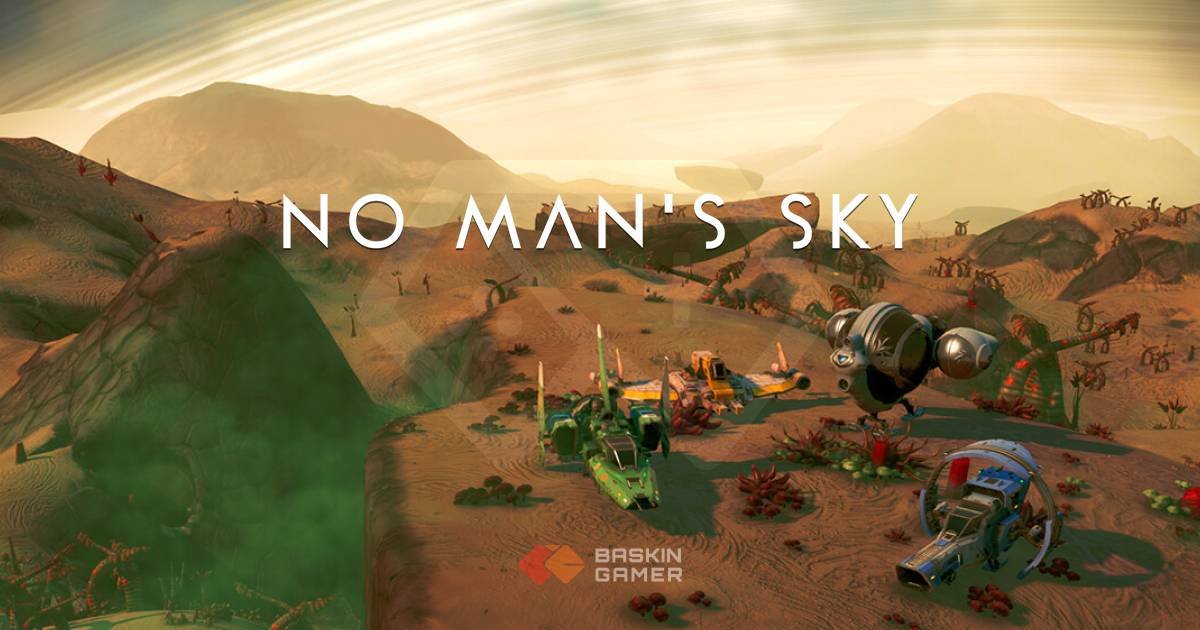
How No Man’s Sky Turned 10 Years of Updates Into a Long-Term Game
No Man’s Sky has reached a milestone that few games manage to approach without becoming a completely different product. Ten years after its launch, Hello Games is still adding major systems to the same game. Its latest update, Cosmos, is not a small anniversary patch either. It rebuilds the role of space with station ownership,…
-
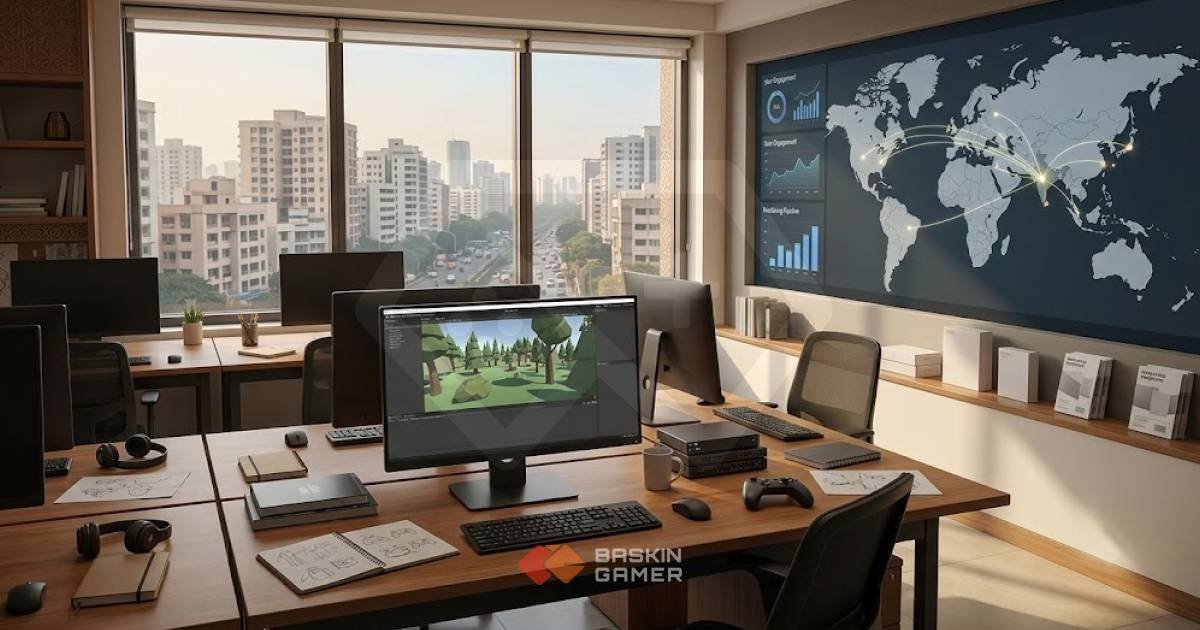
Why Indian Game Developers Need More Than Funding to Reach Global Players
Building a game is one problem. Getting people to play it is another. That distinction is becoming increasingly important for India’s growing game-development scene. A studio can have a working prototype, a talented team and a game that looks ready for the next step, yet still struggle with the part that comes after development: finding…
-
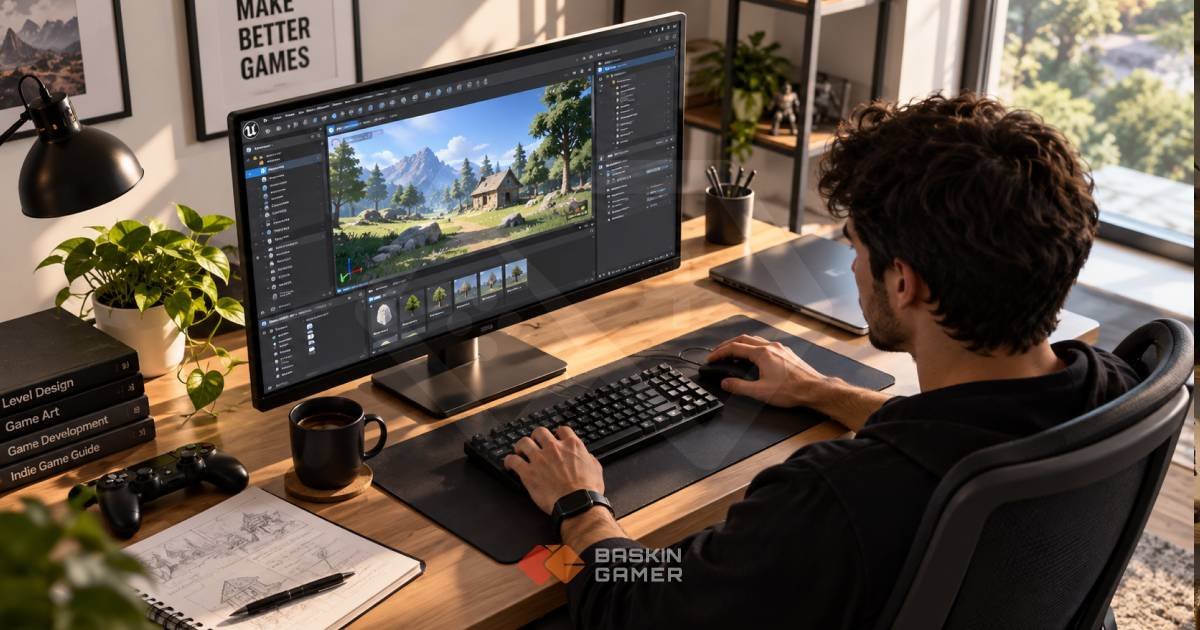
Why Game Developers Are Moving Toward Easier Game Creation Tools
For a long time, having an idea for a game and actually building it were two very different things. You could have a great concept, understand how the game should feel, and even know exactly what you wanted the player to do. But turning that idea into something playable usually meant learning programming, 3D modeling,…